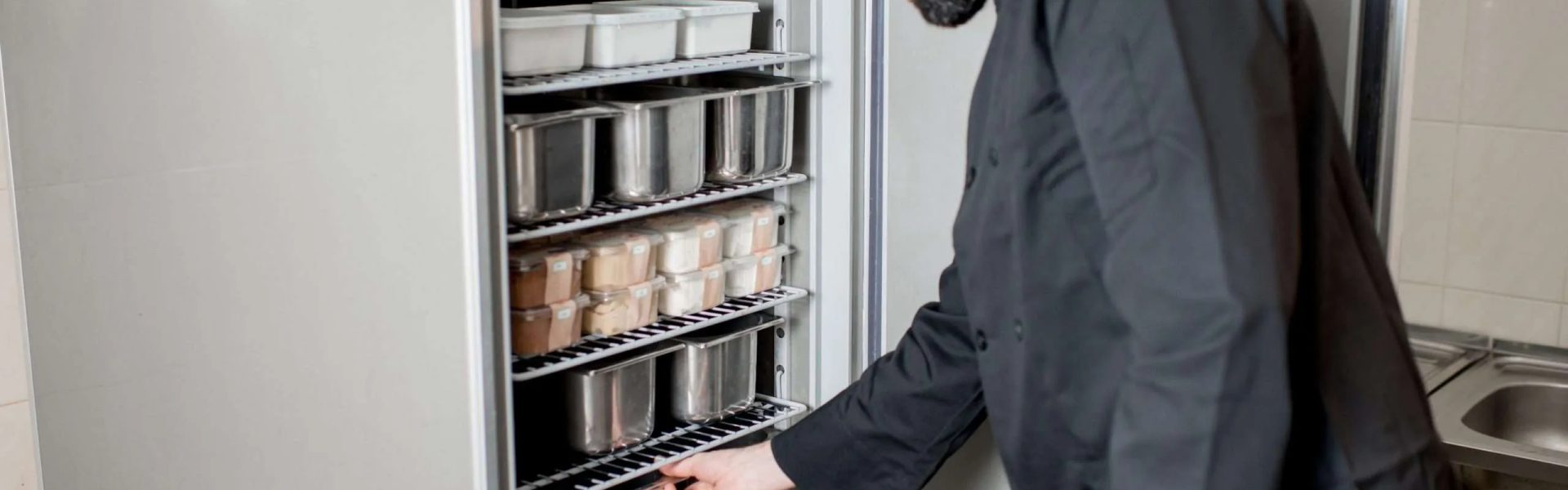

Designing a commercial refrigeration setup for maximum efficiency requires careful planning and consideration of several critical factors. The goal is to create a system that not only preserves the quality and safety of perishable goods but also minimizes energy consumption and operational costs. One of the first steps in achieving this balance is selecting the right type of refrigeration units based on the specific needs of the business. Different applications, such as walk-in coolers, display cases, or reach-in refrigerators, demand tailored solutions that align with storage volume, temperature requirements, and frequency of access.
Proper insulation plays a significant role in maintaining consistent temperatures while reducing energy loss. High-quality insulation materials should be used throughout the refrigeration space to prevent unwanted heat transfer from external environments. Additionally, sealing all doors and openings tightly helps maintain internal conditions without overburdening the cooling system. Employing automatic door closers or air curtains can further reduce cold air leakage during frequent use.
The placement of refrigeration equipment within a facility impacts its efficiency as well. Units should be installed away from heat sources like ovens or direct sunlight to avoid unnecessary strain on compressors. Adequate spacing between units ensures proper airflow around condenser coils, which is essential for effective heat dissipation. Regular cleaning and maintenance of these coils are crucial since dust buildup can impair performance and increase energy consumption.
Incorporating advanced technology enhances both control and monitoring capabilities within Commercial Refrigeration setups. Digital thermostats with precise temperature controls allow operators to maintain optimal settings tailored to different products’ needs. Remote monitoring systems enable real-time tracking of temperature fluctuations or equipment malfunctions, facilitating prompt interventions before spoilage occurs.
Energy-efficient compressors designed for variable speed operation adapt cooling output according to demand rather than running at full capacity constantly. This adaptability reduces wear on components while conserving electricity during periods of lower load. Similarly, using environmentally friendly refrigerants with low global warming potential aligns sustainability goals with regulatory compliance.
Lighting inside refrigerated spaces should utilize LED fixtures due to their minimal heat emission compared to traditional bulbs; this helps maintain stable temperatures without adding extra cooling demands. Moreover, integrating smart scheduling features allows businesses to adjust operating hours based on usage patterns effectively.
Finally, training staff members about best practices in handling refrigerated goods contributes significantly toward preserving system efficiency over time. Simple actions like minimizing door opening duration or organizing inventory systematically reduce temperature fluctuations inside units.
By combining thoughtful design choices with modern technologies and routine maintenance protocols, businesses can establish commercial refrigeration setups that deliver reliable performance while optimizing energy use and lowering operational expenses consistently over their lifespan.