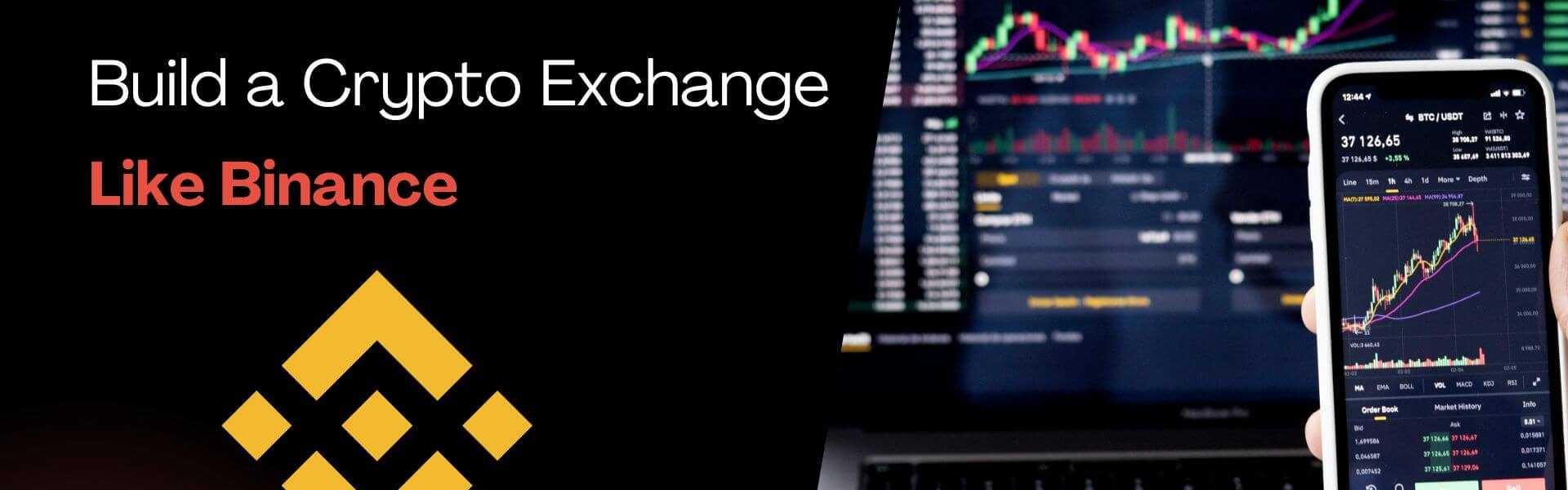

Binance is one of the largest and most popular cryptocurrency exchanges in the world, known for its extensive range of digital assets, high liquidity, and user-friendly interface. Whether you are a beginner or an experienced trader, understanding how Binance works can help you navigate the platform effectively and make informed decisions.
To begin using Binance, the first step is to create an account. Visit the official Binance website or download their mobile app, then register by providing your email address and setting a strong password. After registration, it is essential to complete identity verification (KYC) for security purposes and to unlock higher withdrawal limits. This process involves submitting identification documents such as a passport or driver’s license along with a selfie.
Once your account is verified, you need to deposit funds into your Binance wallet. You can do this by transferring cryptocurrencies from another wallet or exchange directly to your Binance deposit address. Alternatively, Binance supports fiat deposits through various payment methods like bank transfers and credit cards depending on your region. After depositing funds successfully, you are ready to start trading.
Binance offers several types of trading options including spot trading, futures trading, margin trading, and peer-to-peer (P2P) transactions. Spot trading is the blockmanual.com most straightforward method where users buy or sell cryptocurrencies at current market prices. To execute a trade on spot markets, select the desired trading pair (for example BTC/USDT), enter the amount you want to buy or sell, then place either a market order that executes instantly at best available price or a limit order that executes only when specific price conditions are met.
For those interested in more advanced strategies with leverage capabilities, futures and margin trading allow borrowing funds to increase potential profits but also come with higher risks due to possible liquidation if markets move unfavorably.
Binance also provides additional features such as staking services where users can earn rewards by holding certain coins within their wallets; savings accounts offering interest on deposited crypto; launchpad for new token sales; and an NFT marketplace enabling buying and selling of digital art collectibles.
Security measures implemented by Binance include two-factor authentication (2FA), withdrawal whitelist options restricting fund transfers only to approved addresses, cold storage solutions safeguarding majority of assets offline from hacking attempts; regular audits; as well as insurance funds protecting users against unexpected losses caused by system failures.
In conclusion, Binance serves as a comprehensive platform catering both beginners seeking easy access into cryptocurrency markets and professional traders requiring sophisticated tools. By following these steps-account creation with KYC verification; depositing funds via crypto or fiat channels; choosing suitable trade types according to risk tolerance; utilizing extra services for passive income opportunities while adhering strictly to security protocols-you can confidently engage in cryptocurrency activities using one of today’s leading exchanges globally.