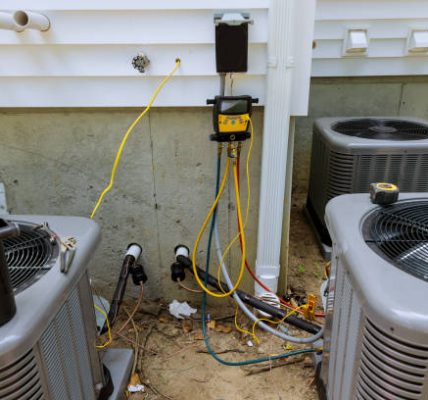
Air conditioning installation plays a pivotal role in ensuring maximum energy efficiency and maintaining comfort in your living or working space. Proper installation not only enhances the performance of the system but also reduces energy consumption, leading to lower utility bills and a smaller environmental footprint. To achieve optimal results, careful planning, precise execution, and adherence to best practices are essential.
One of the key factors in achieving energy-efficient air conditioning is selecting the right unit for your space. A system that is too small may struggle to cool effectively, while an oversized unit can waste energy by cycling on and off frequently. Conducting a thorough load calculation based on your room size, insulation quality, windows, and climate conditions ensures you choose an appropriately sized air conditioner tailored to meet your needs.
The placement of the air conditioning unit also has a significant impact on its efficiency. Installing the outdoor condenser unit in a shaded area can prevent overheating and reduce workload during hot weather. Similarly, indoor vents should be positioned strategically to allow even airflow throughout the space without obstructions such as furniture or curtains blocking circulation.
Professional installation services are highly recommended for optimal performance and compliance with safety standards. Certified technicians have expertise in properly connecting refrigerant lines, sealing ducts to prevent leaks, calibrating thermostats accurately, and verifying electrical connections—all crucial steps that contribute to efficient operation over time. Poorly installed systems often result in higher energy usage due to inefficiencies caused by leaks or improper wiring.
Regular maintenance following installation further ensures long-term efficiency. Cleaning filters routinely prevents dust buildup that could restrict airflow and force the system to work harder than necessary. Scheduling annual inspections allows professionals to check refrigerant levels, clean coils, lubricate moving parts, and identify potential issues before they escalate into costly repairs.
Smart technology integration offers additional opportunities for enhancing energy savings after installation is complete. Programmable thermostats enable users to set cooling schedules based on occupancy patterns while remote control features provide flexibility even when away from home or office.
Investing time into proper air conditioning installation yields substantial benefits beyond immediate comfort—reducing operational costs while contributing positively toward sustainability efforts through minimized energy use. Whether upgrading an old system or installing one for the first time, prioritizing efficiency during every stage ensures both financial savings and environmental responsibility over its lifespan.